In-Depth Job Interview Styling Handbook
How to Calibrate Interview Attire Across Industries & Video Panels
Matching Industry Culture One Half-Step Above Daily Dress
The most reliable rule in modern interview styling is calibrating your outfit roughly half a formality tier above the team’s everyday workspace norm—polished enough to signal preparation and respect, yet grounded enough that interviewers immediately picture you sitting beside them in a Tuesday strategy review. Walking into an early-stage AI or design startup in a stiff black tuxedo suit can create unnecessary distance, just as showing up to an investment banking, corporate law, or enterprise executive search panel in an unstructured knit polo undercuts perceived readiness.
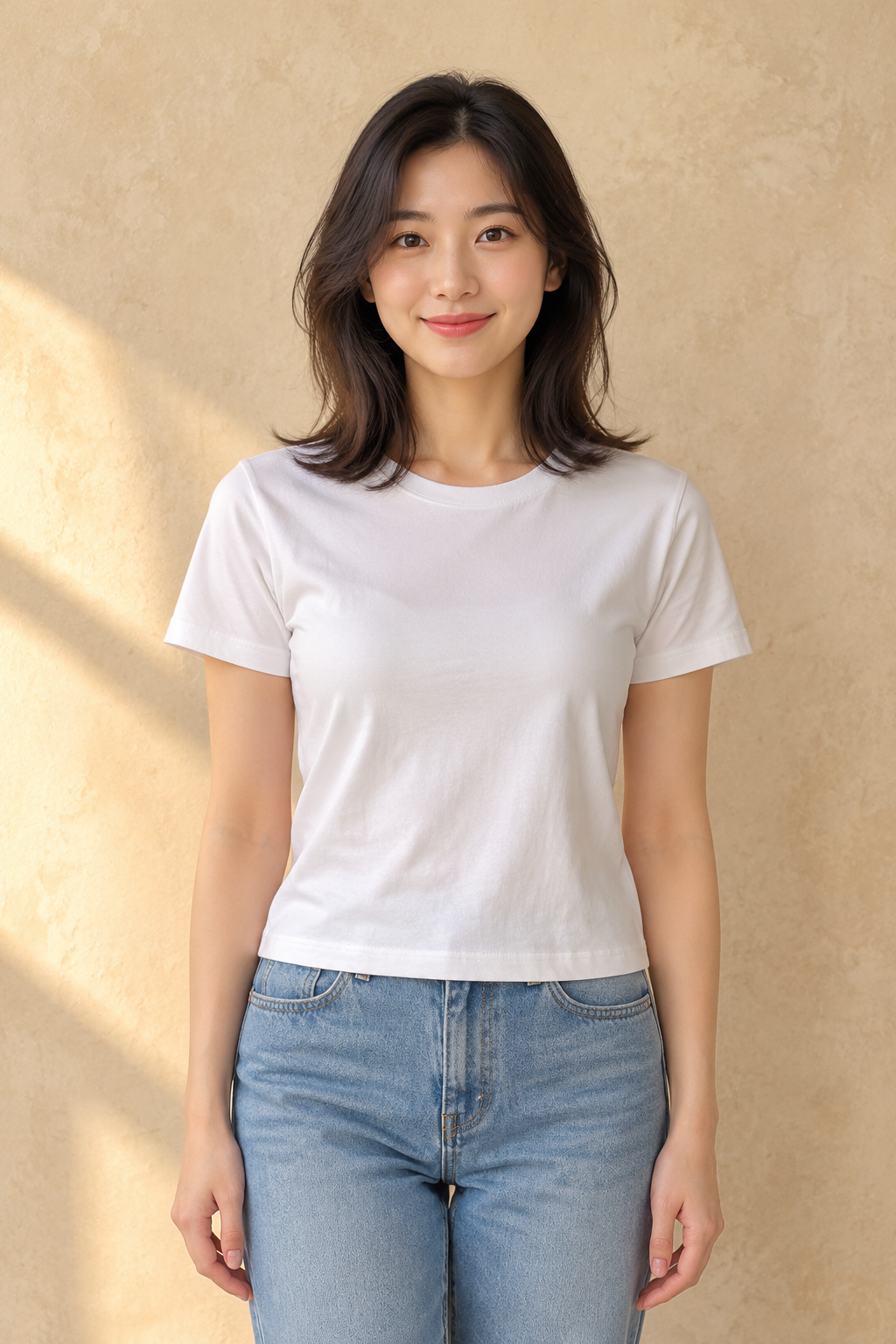
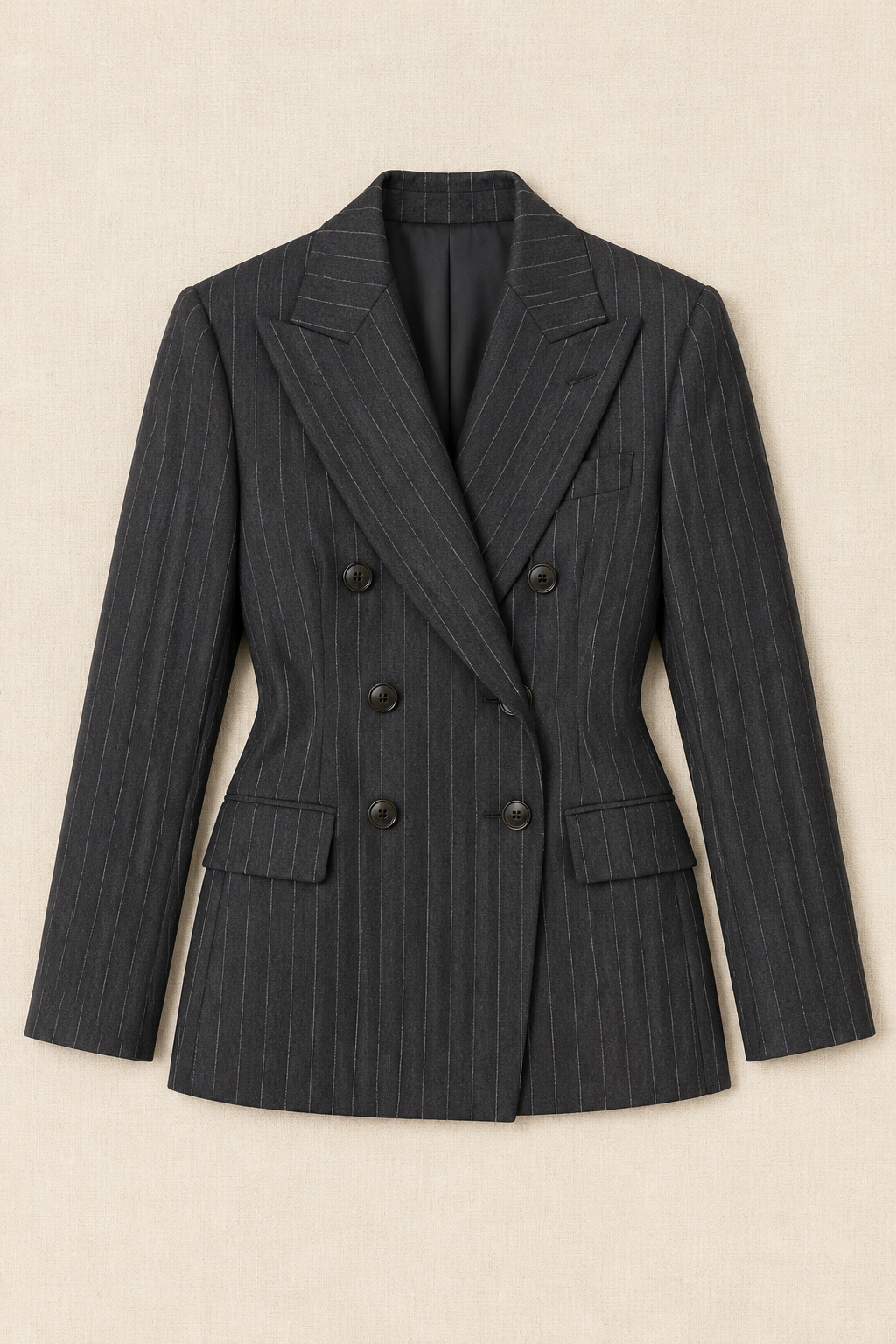
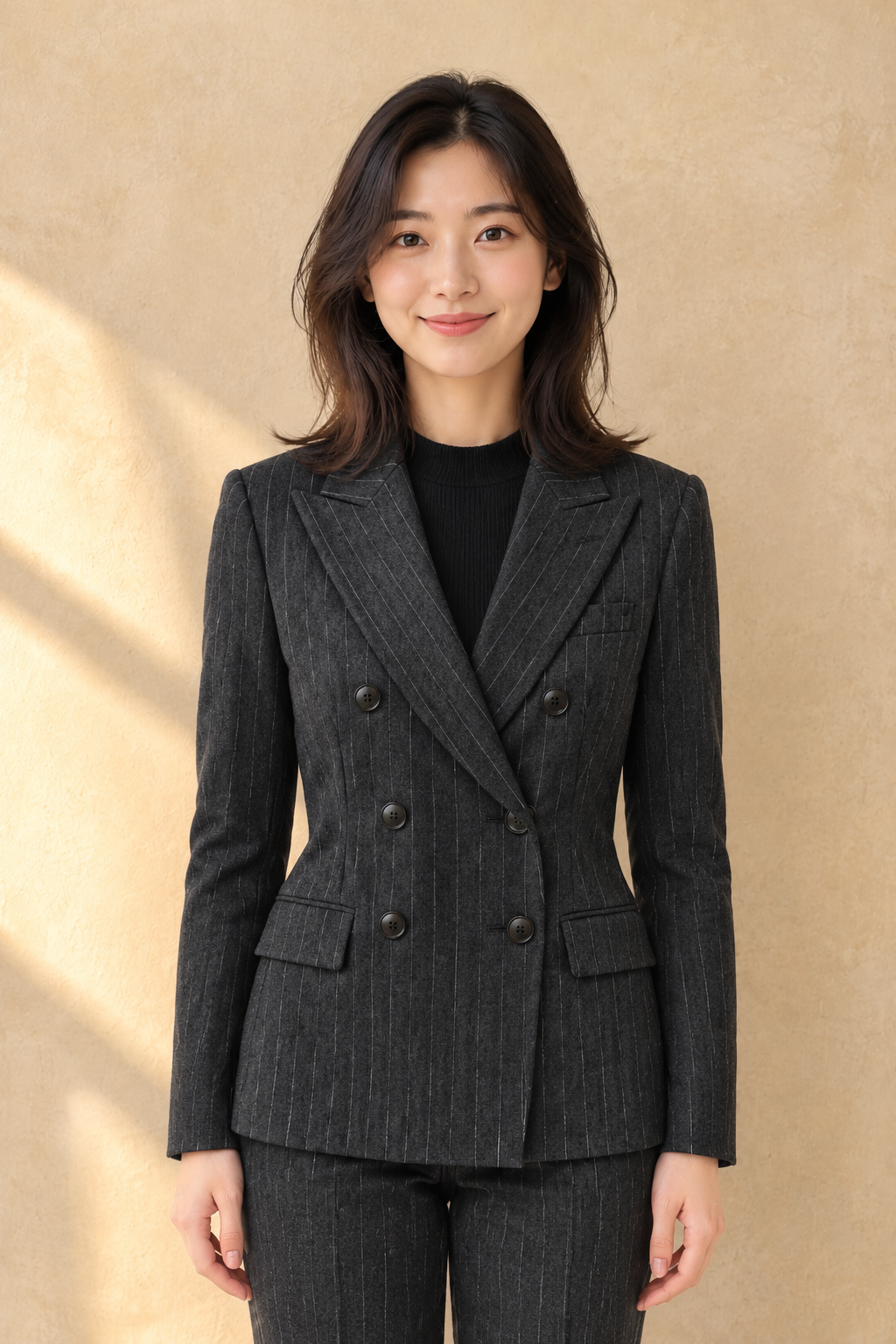
Previewing candidate outfits on your own photo via AI clothes swap lets you dial in that exact register without guessing in front of your closet at 7:30 a.m. Take our charcoal pinstripe blazer over a fine black knit mock-neck: it bridges traditional tailoring and contemporary leadership effortlessly. The sharp peak lapels establish unambiguous structure across the shoulders, while swapping a traditional stiff shirt-and-tie for a fine-gauge dark knit softens the collar for modern tech, architecture, consulting, and product leadership roles.
Optimizing Collar Contrast & Patterns for Zoom and Teams Cameras
More than seventy percent of first-round and hiring-manager interviews now take place over compressed laptop video streams where only your head, neck, and upper chest fill the frame. Standard webcams struggle with two common wardrobe traps: blinding solid white shirts that blow out facial exposure, and ultra-tight micro-houndstooth or gingham checks that shimmer with distracting digital Moiré waves whenever you lean forward to speak.
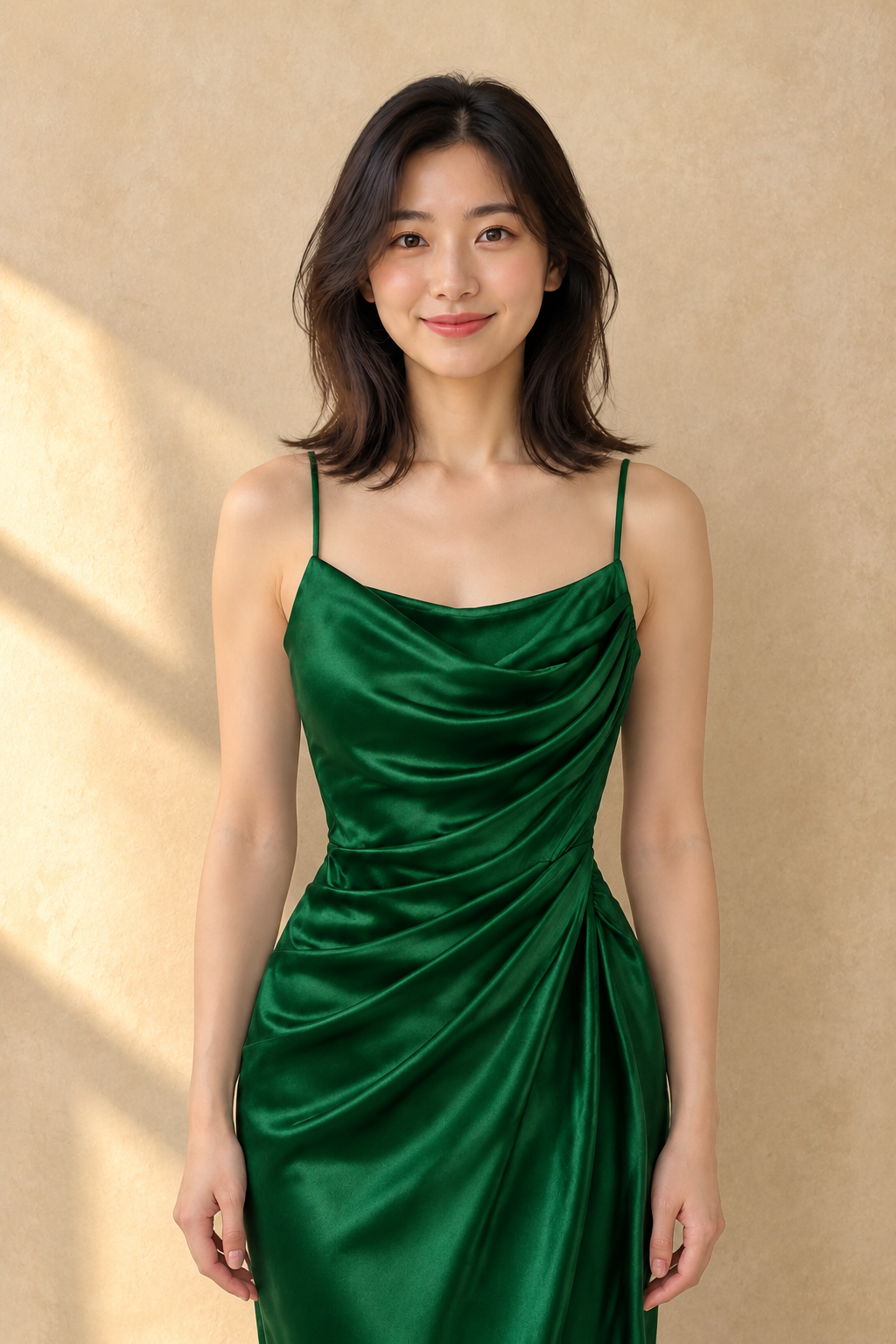
Testing your interview top or blazer in ClothesSwap.app exposes upper-torso framing immediately. Mid-to-deep charcoal wool with spaced vertical pinstripes, matte navy tailoring, muted forest or emerald crepe, and heather oatmeal knitwear hold steady exposure so the camera sensor keeps your eyes sharply lit. Pay special attention to lapel width and neckline framing from mid-chest upward—clean diagonal lapel lines or subtle pleated necklines guide attention directly toward facial expression rather than competing for focus.
Fit Details That Communicate Attention to Craft
Whether meeting in a glass conference room or recording a keynote intro, three tailoring checkpoints separate intentional dressing from borrowed suiting: shoulder seam placement, collar gap, and sleeve break. A jacket shoulder seam that droops past your natural acromion bone makes posture appear slumped, while overly tight chest buttons pull horizontal X-shaped creases across the sternum. When you upload candidate blazers from online retailers into Slot 2, inspect how lapel roll and button stance sit relative to your torso length.
Color psychology also plays a quiet supporting role. Deep charcoal and navy anchor credibility and analytical calm; rich jewel tones like deep emerald signal composure and creative conviction in brand, editorial, or design leadership interviews; warm earth-toned structured jackets work well for outdoor, sustainability, or industrial engineering firms where technical utility feels native.
Doubling Your Interview Try-On as a LinkedIn Refresh
Recruiters and hiring panel members almost always view your LinkedIn profile and personal portfolio twenty minutes before joining the call. Once you find a blazer or tailored ensemble that flatters your daylight portrait in our studio, you can use that exact aesthetic blueprint to unify your digital headshot and live interview wardrobe. With three free swaps every day and zero sign-up required, testing three distinct industry looks takes less than two minutes.
In-Person Portfolio Carry, Footwear Polish, and Multi-Round Consistency
When your interview loop moves from remote video panels to an on-site office day, lower-body tailoring and accessories complete the message started by your blazer or structured dress. Pair charcoal or navy suiting with clean straight-leg trousers hemmed to a slight quarter-break over leather loafers, Chelsea boots, or block-heel pumps—avoiding overly distressed sneakers unless interviewing at a streetwear or sneaker design house where technical footwear is the product itself.
Keep bags structured and quiet: a matte leather folio or structured tote holds a laptop and printed case-study notes cleanly without pulling one shoulder of your wool jacket downward and creasing the lapel prior to handshake introductions. Jewelry, watches, and eyewear frames should feel intentional and distraction-free so interviewers remember your strategic clarity rather than clinking bracelets on a conference table microphone.
For multi-stage executive loops spanning three separate weeks, maintain subtle wardrobe continuity while shifting inner layers. If you wore a charcoal double-breasted blazer over a fine black mock-neck in Round One, swapping the inner layer to a crisp ivory knit crew or slate poplin shirt in the final onsite round feels fresh while reinforcing your signature executive silhouette. Test each inner-layer combination in ClothesSwap.app ahead of time so every interview morning runs on autopilot.
Finally, remember the role of breathable natural fibers during high-adrenaline whiteboard sessions or back-to-back panel loops. Super 120s tropical-weight wool, fine combed cotton poplin, and lightweight merino knitwear regulate body temperature far better than synthetic polyester blends that trap warmth and show creases after a twenty-minute commute. Before your final interview evening, lay out your vetted blazer and inner layer flat on a bed, snap a quick flat-lay confirmation if needed, and wake up focused purely on your case studies and leadership stories.
Pre-Interview Wardrobe Audit Checklist
Twenty-four hours before your interview, steam the lapels and sleeves, check collar seams under natural window light for lint or loose threads, and verify that seated posture does not pull jacket buttons taut across the torso. Running a quick virtual try-on comparison against two inner-layer colors gives you calm certainty before stepping into the conference room or opening your video camera.